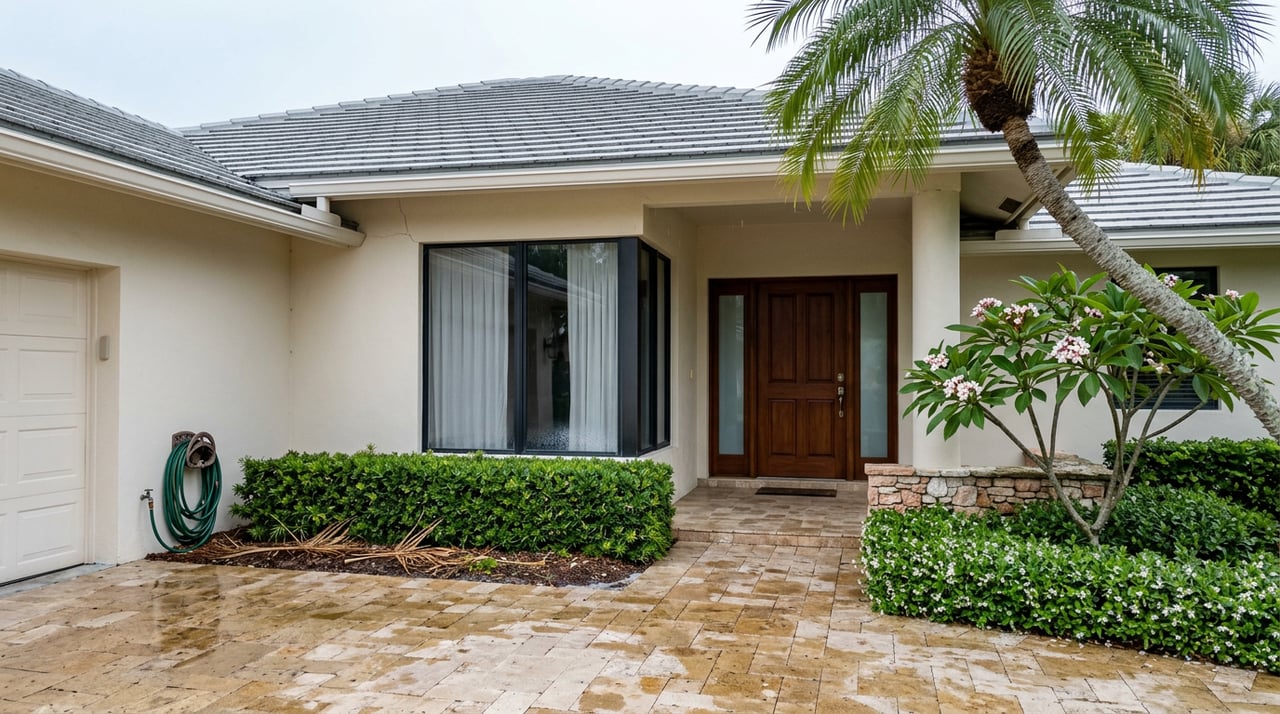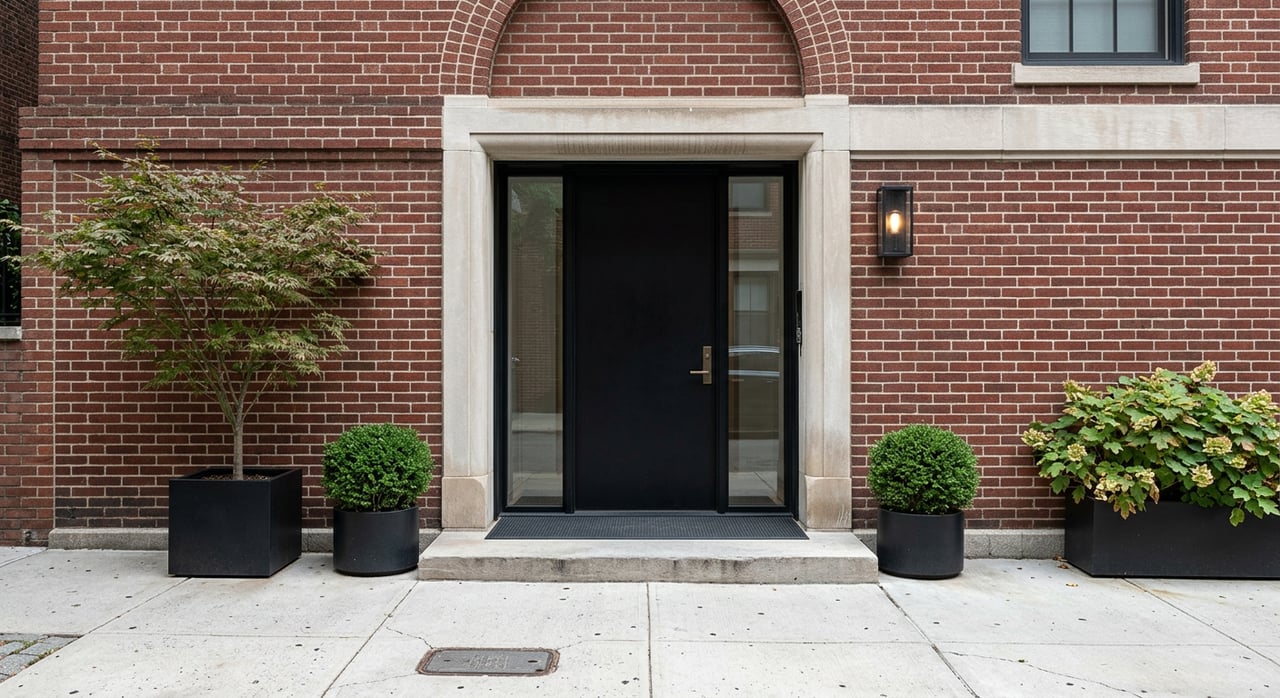
Torn between a lock-and-leave condo and the charm of a century-old house in Shadyside? You are not alone. City buyers often weigh walkability and low maintenance against private outdoor space and historic character. In this guide, you will see a clear, Shadyside-specific comparison that covers costs, parking, financing, and due diligence so you can decide with confidence. Let’s dive in.
Shadyside at a glance
Shadyside sits in Pittsburgh’s East End, known for its tree-lined streets, classic architecture, and lively commercial corridors like Walnut Street and Ellsworth Avenue. You are close to parks and universities, which makes day-to-day life feel connected and convenient. For a quick neighborhood overview, the Visit Pittsburgh guide to Shadyside is a helpful starting point.
Walkability is a major draw. Shadyside earns a high Walk Score, with many errands possible on foot and good transit access for a low-car lifestyle. You can explore the local walk, transit, and bike scores for context on Walk Score’s Shadyside page.
What condo living looks like
Buildings and locations
Shadyside offers a mix of converted Victorian buildings, mid-rise condo properties, and a few older high-rise options. Many sit near Walnut, Ellsworth, and South Highland, which puts restaurants, shops, and services just steps from your door. This is a key reason condo buyers choose Shadyside.
What HOAs cover and fee ranges
Monthly HOA fees vary by building and level of service. In Shadyside, you will see a wide spread, from the low hundreds into the higher hundreds per month. What you get for that fee differs by property, but it often includes items like exterior upkeep, common-area insurance, snow removal, landscaping, water and sewer, and sometimes building staff or amenities.
The right question is not only “How much is the fee?” but “What does it include, and are reserves healthy?” Ask for the current budget, recent financials, reserve study, insurance certificate, and six to twelve months of meeting minutes. Review rental and pet rules, and check for any past or planned special assessments.
Parking and daily mobility
Some buildings include assigned or deeded parking, which can add convenience and help resale value. Others rely on street or nearby lot parking. Because Shadyside is dense, you will also see residential permit zones on select blocks near commercial corridors. It helps to confirm rules on your specific street through the City’s Residential Parking Permit Program (RPPP) records on Pittsburgh’s Legistar site. For many condo owners, the combination of walkability and transit makes daily life simple.
Who a condo fits
Condos tend to fit buyers who want low maintenance, strong walkability, and predictable shared services. If you travel often, work at nearby hospitals or universities, or just prefer to spend weekends enjoying the neighborhood instead of doing yard work, a Shadyside condo can be a smart match.
Owning a historic Shadyside home
Architecture and designation
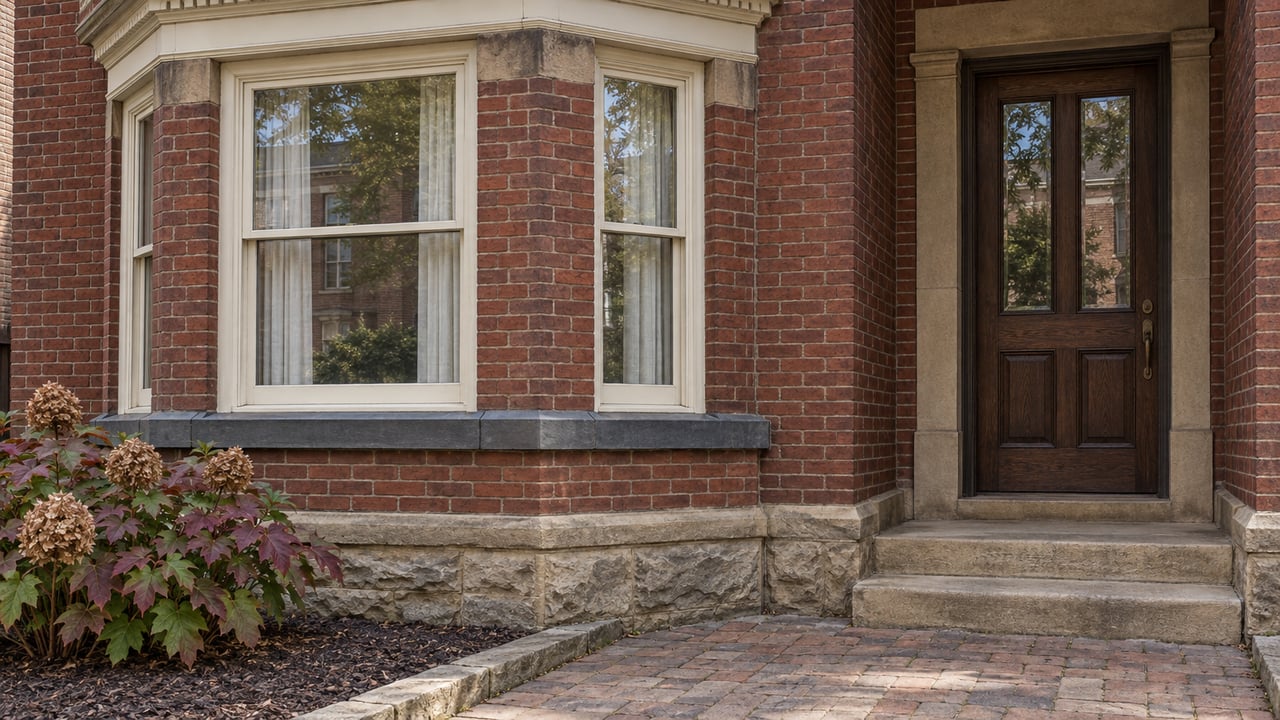
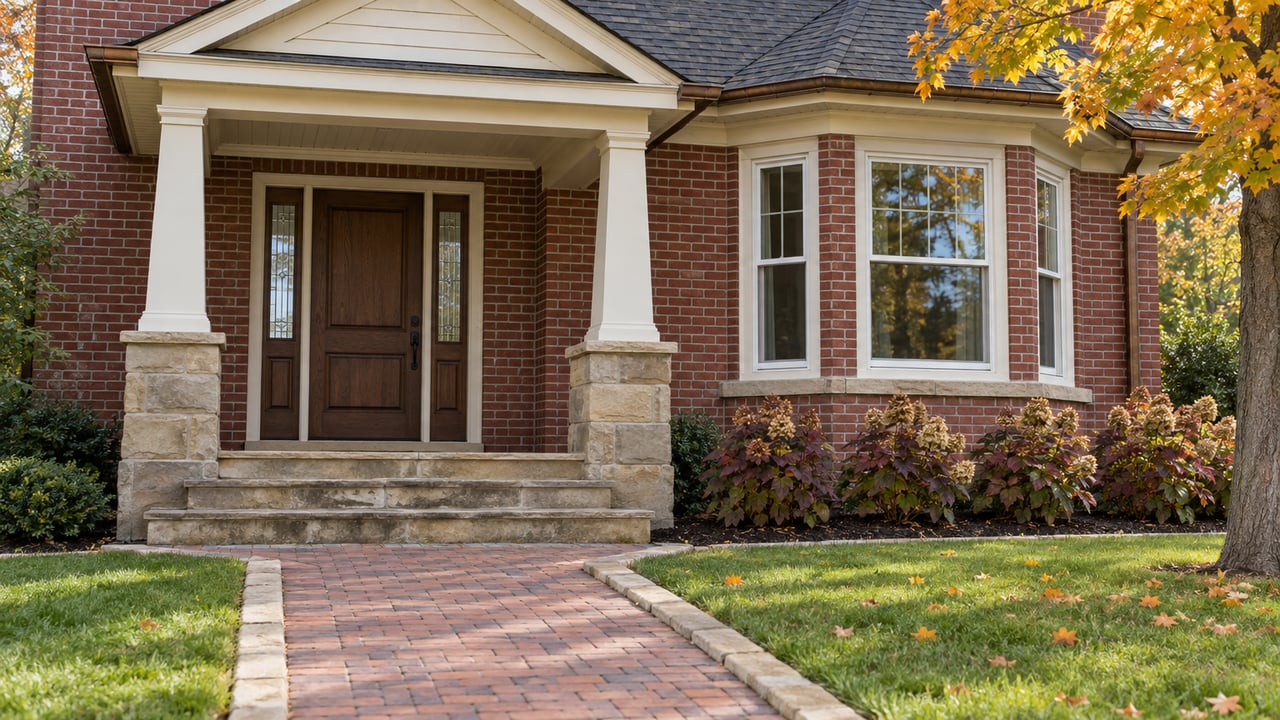
Shadyside is known for late 19th and early 20th century homes, from grand Victorians to classic rowhouses. A few streets and individual homes carry historic significance, like the famous wood-paved Roslyn Place highlighted by Pittsburgh Magazine. Some properties have honorary plaques, while others have formal city designation.
If a home is designated by the City of Pittsburgh, exterior changes visible from a public way usually require review and approval. The Pittsburgh History & Landmarks Foundation primer explains the difference between honorary recognition and regulatory designation so you know what to expect.
Parking and outdoor space
Lots in older city neighborhoods are often compact, and garages are not universal. Some renovated homes add a detached garage or parking pad, but many rely on street parking. Yards tend to be modest by suburban standards, yet even a small private garden, deck, or patio can feel like a retreat. For general neighborhood context, see Wikipedia’s Shadyside overview.
Maintenance and systems
Historic homes carry character and craftsmanship, and they also demand regular care. Common projects include masonry repointing, roof repair or replacement, window restoration, and updates to older mechanicals. National pricing guides suggest brick repointing can range from low to mid hundreds per square foot depending on scope, while natural slate roofs can run into the tens of thousands depending on size and complexity. For ballpark figures and context, review this HomeAdvisor guide to repointing and tuckpointing costs, then seek local bids for accuracy.
Pre-1978 homes may include lead-based paint. If you plan to renovate, use EPA RRP-certified contractors and lead-safe practices. Learn the basics in the EPA’s Renovation, Repair and Painting Program guide. Asbestos-containing materials may also be present in older homes and need licensed abatement if disturbed.
Head-to-head: key decision areas
Maintenance and ongoing costs
- Condos: Monthly HOA dues cover many shared expenses. Budget for special assessments if reserves are low. Review building financials before you commit.
- Historic homes: You control timing of repairs, but you carry 100 percent of costs. Expect larger, occasional projects like roofing and masonry. Cost ranges vary, so get local quotes and use HomeAdvisor’s repointing guide for estimates.
HOA fees compared with DIY
- Condos: A few hundred dollars per month can replace costs for landscaping, snow removal, common insurance, and some utilities. The tradeoff is an added monthly line item and building rules.
- Historic homes: No HOA rules or dues, but plan for irregular expenses. A healthy reserve fund of your own can reduce surprises.
Parking and daily mobility
- Shadyside context: Garages are limited on many blocks. Check whether the street is in an RPPP area and what permits you need through City Legistar. Condos with assigned or deeded parking often hold a resale edge.
Outdoor and private space
- Condos: Expect balconies or shared outdoor areas rather than a full yard. Great if you prefer low yard work.
- Historic homes: Even small private yards or patios are valuable for gardening, pets, and gatherings.
Resale and liquidity
- Condos: Resale strength depends on building management, parking, reserves, and financing eligibility. If you expect to use FHA or VA, check project status early through HUD resources.
- Historic homes: Architectural character and private space attract a defined buyer pool. Price with like-for-like comps and factor future capital needs.
Financing and insurance
- Condos: Lenders evaluate both the unit and the project. Litigation, low reserves, or a high investor share can limit financing or make a building non-warrantable. Review eligibility via HUD’s FHA condo resources.
- Historic homes: Underwriting focuses on the property. Older systems flagged in inspections can affect loan terms. Some historic tax incentives typically apply to income-producing certified properties rather than owner-occupied homes. For background, see this federal program overview, then consult a tax advisor.
Due diligence checklists
For condos in Shadyside
- Request the HOA packet: current budget, reserve study, recent financials, meeting minutes, master insurance certificate, and rules for rentals, pets, and short-term rentals.
- Confirm parking details: deeded or assigned space, guest parking rules, and EV charging policy.
- Ask about utilities: what is included in dues and what is metered separately.
- Check financing early: if you may use FHA or VA, verify project eligibility through HUD’s condo guidance.
For historic single-family homes
- Order a whole-house inspection and add specialists for roofing, masonry, foundation and drainage, and pests. Use cost guides like HomeAdvisor’s repointing overview to frame budgets, then confirm with local bids.
- Test for lead-based paint in pre-1978 areas and follow EPA RRP practices if renovating. Consider asbestos testing for older materials.
- Verify historic status: check if the property is city-designated or carries an easement. The PHLF primer explains owner obligations.
- Confirm street logistics: review whether your block is within an RPPP area on Legistar and what rules apply to curb cuts or driveways.
How to choose with confidence
If your top priorities are walkability, predictable costs, and minimal upkeep, a well-managed Shadyside condo near Walnut or Ellsworth can be a great fit. Confirm HOA health, parking, and financing eligibility so there are no surprises at closing.
If you value privacy, outdoor space, and architectural character, a historic home may be worth the added maintenance. Plan for periodic capital projects, follow lead-safe practices in pre-1978 areas, and understand any historic review steps for exterior work.
Ready to compare real options that match your lifestyle and budget in Pittsburgh’s East End? Reach out to Donna Tidwell, Berkshire Hathaway for calm, expert guidance and a clear next step.
FAQs
What is walkability like in Shadyside for condo and home buyers?
- Shadyside scores high for walking and transit, which supports a low-car lifestyle for both condo and single-family owners. See neighborhood scores on Walk Score.
How much are typical condo HOA fees in Shadyside?
- Fees vary widely by building and services, often ranging from the low hundreds into the higher hundreds per month. Always review the HOA budget, reserves, and recent minutes.
Are historic Shadyside homes harder to maintain?
- Older homes often require masonry work, roof repairs, and mechanical updates. Use national guides for ballpark ranges and get local bids to firm up costs.
Do I need special approval to change a historic home’s exterior in Pittsburgh?
- If a home is city-designated, exterior changes visible from a public way may need Historic Review Commission approval. Check status and plan timelines before you start.
How does parking usually work in Shadyside?
- Many condos offer assigned or deeded spots, while others rely on street or lot parking. For houses, garages are not universal. Check whether your block is in a permit zone.
Can I use FHA or VA financing for a Shadyside condo?
- Possibly. Lenders evaluate both the unit and the project. Verify FHA or VA eligibility for the building early to avoid financing delays.
Should I worry about lead paint or asbestos in older Shadyside homes?
- In pre-1978 homes, test for lead and use EPA RRP-certified contractors for renovations. If asbestos may be present, hire licensed pros for any needed abatement.