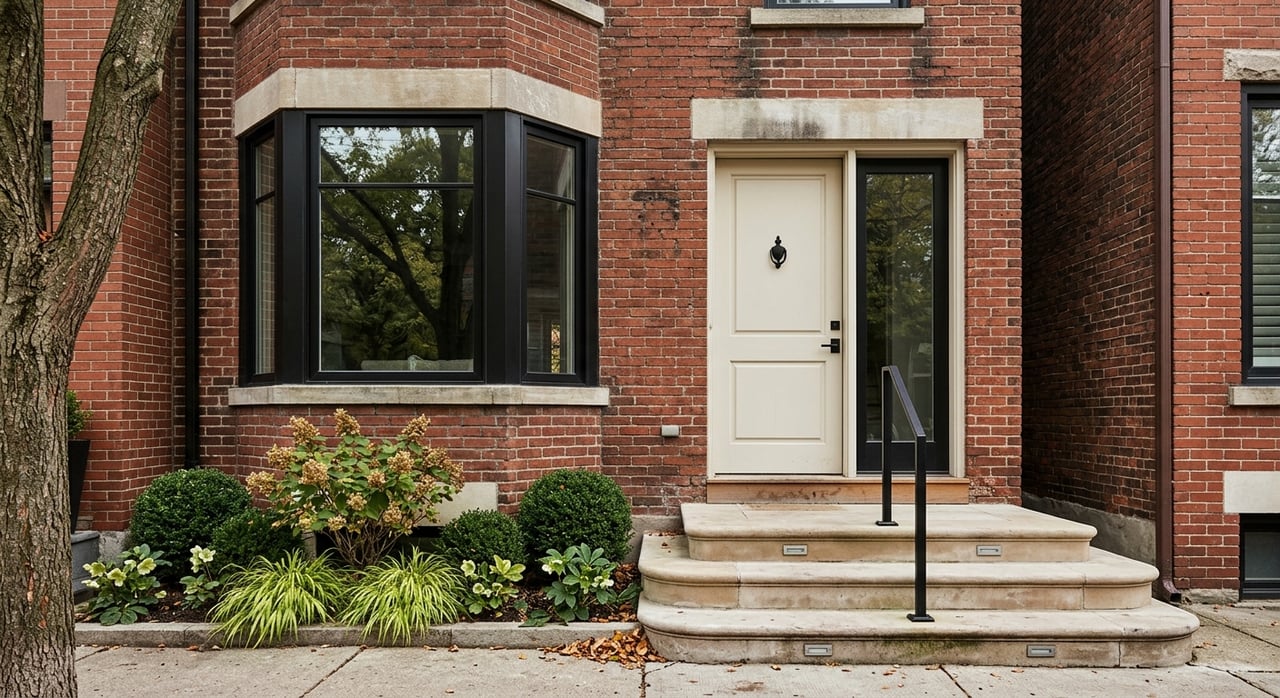
If you are shopping for a townhome in Shadyside, it helps to know that the word townhome can mean more than one thing. In this Pittsburgh neighborhood, you may be looking at an older attached house, a renovated row-style property, or newer infill construction, and each one can come with different ownership rules, costs, and maintenance responsibilities. Before you fall in love with the layout or the block, it pays to understand what you are really buying. Let’s take a closer look.
Why Shadyside townhomes vary
Shadyside is a walkable East End neighborhood with well-known commercial corridors along Walnut Street, Ellsworth Avenue, and South Highland Avenue. VisitPittsburgh places it about six miles from Downtown, and city planning materials describe a housing stock with densely arranged Victorian and early 20th-century dwellings. That mix gives the neighborhood much of its character, but it also means there is no single standard version of a Shadyside townhome.
You might tour a narrow attached home with historic details, a fully renovated townhouse-style residence, or a more modern property built on a smaller footprint. In practical terms, a townhome in Shadyside often sits between a detached house and a condo. It usually feels more house-like than a condo, but it may still include shared rules, shared costs, or both.
What counts as a townhouse in Pittsburgh
According to a City of Pittsburgh code bulletin, a townhouse is a single-family dwelling in a group of three or more attached units, with each unit extending from the foundation to the roof. The city also notes that each townhouse is treated as a separate building for IRC purposes. That technical definition matters because it helps explain why many townhomes feel more independent than apartment-style housing.
The city’s zoning code also defines single-unit attached residential as one dwelling attached to another by a party wall or abutting wall on its own lot. For you as a buyer, that often means vertical living, shared side walls, and less land than a detached home. It can also mean a more efficient lifestyle in a compact neighborhood.
Check the ownership type first
One of the biggest things to understand is that townhome describes the style of the home, not always the legal ownership structure. A Shadyside townhome might be owned as a condominium, or it might be part of a planned community. Those are not the same thing, and the difference affects your rights, costs, and responsibilities.
Under Pennsylvania condominium law, a condo owner holds title to the unit plus an interest in the common elements. HUD also notes that a condominium can include a townhouse-style dwelling. So even if the home looks and lives like a traditional house, it may still be legally structured as a condo.
Pennsylvania’s Uniform Planned Community Act covers planned communities, and the Pennsylvania Attorney General says it applies to planned communities with more than 12 units. In a planned community, the ownership and common-area setup may differ from a condo. That is why you should ask early in the process exactly how the property is titled and governed.
Understand HOA dues and what they cover
Monthly association costs can change your budget more than many buyers expect. The Consumer Financial Protection Bureau says HOA dues are usually paid directly to the association rather than through your mortgage payment, and dues can range from a few hundred dollars a month to more than $1,000 a month. That means the sticker price is only part of the monthly cost of ownership.
When you compare Shadyside townhomes, ask what the dues actually cover. In some communities, they may help pay for exterior maintenance, landscaping, snow removal, insurance for shared elements, or common-area upkeep. In others, the coverage may be more limited, which leaves you with more direct maintenance responsibilities.
A lower monthly fee is not always a better value. If dues are low but reserves are weak, owners may face larger out-of-pocket costs later. A slightly higher monthly fee may be easier to manage if it supports a healthier reserve fund and more predictable maintenance planning.
Review resale documents before you commit
Pennsylvania gives buyers important rights when purchasing in a condo or planned community. For planned communities, the seller must provide documents that include the declaration, bylaws, rules, and a certificate with details such as assessments, other fees, proposed capital expenditures, reserves, the current budget, financial statements, insurance, pending lawsuits, and known violations. The contract is voidable until the certificate is delivered and for five days after that, or until closing.
The condo resale statute requires a similar disclosure package. That package can include assessments, unpaid charges, reserves, budgets, litigation, insurance, and known violations. These documents are not just paperwork. They are one of your best tools for spotting budget issues, deferred maintenance, or restrictions that may affect how you use the property.
Before moving forward, make sure you review:
- The declaration and bylaws
- Current rules and regulations
- Monthly and special assessments
- Reserve funding
- The current budget and financial statements
- Insurance information
- Pending lawsuits or disputes
- Known violations tied to the unit or community
Ask who maintains what
Maintenance is one of the most important differences between one townhome and another. In both condos and planned communities, the general rule is that the association maintains the common elements while the owner maintains the unit, unless the declaration says otherwise. The key phrase there is unless the declaration says otherwise.
In a townhome setting, responsibility can shift in ways buyers do not always expect. Roofs, façades, driveways, landscaping, snow removal, and even shared walls may be handled by the association, by the owner, or by some combination of both. That is why you should ask for specific answers instead of relying on assumptions.
A smart question list includes:
- Who handles roof replacement?
- Who maintains exterior walls or façades?
- Who is responsible for driveways or parking areas?
- Is snow removal included?
- Is landscaping covered?
- Are reserve funds strong enough for future repairs?
- Are any special assessments being discussed?
Do not overlook parking in Shadyside
Parking deserves its own conversation before you make an offer. The Pittsburgh Parking Authority says residential parking permits are required in specific city districts, with current fees of $40 per vehicle per year plus a $10 annual visitor pass. Buyers should verify whether a property address is in a permit district rather than assume parking will be simple.
The Authority also operates the Shadyside Garage in the Walnut Business District as an off-street option. Even so, daily convenience can vary a lot from one block to the next. A townhome with a garage or assigned space may function very differently from one that depends on street parking.
Before or during your tour, confirm:
- Whether the home has a garage
- Whether there is an assigned parking space
- Whether the address is in a residential permit district
- How guest parking works
- Whether nearby off-street parking is part of your backup plan
Because Shadyside is compact and walkable, some buyers are comfortable with permit parking. Others need more certainty for commuting, visitors, or multiple vehicles. The right answer depends on how you live day to day.
Historic rules may affect exterior changes
Some parts of Shadyside are preservation-sensitive, and that can matter if you plan to update the exterior. The City of Pittsburgh lists Roslyn Place Historic District in Shadyside and identifies Rodef Shalom as a Shadyside landmark. The city says local historic districts are designated by ordinance and reviewed by the Historic Review Commission.
Once a property is locally designated or located within a local historic district, external alterations are subject to review and approval. The city also states that even exterior painting on locally designated historic structures or within historic districts requires a Certificate of Appropriateness. For buyers, that means exterior projects may involve more review than expected.
If you are drawn to an older Shadyside townhome, ask whether:
- The property is in a local historic district
- The property is individually designated
- Past exterior work received required approvals
- Your planned exterior changes would need review
Compare a townhome to a condo or detached home
A Shadyside townhome can be a great fit if you want a more house-like setup in a walkable neighborhood. Compared with a condo, it may offer more separation, direct entry, and a layout that feels more like a single-family home. Compared with a detached house, it usually comes with less land and less privacy, but often with less exterior work.
That tradeoff is often where buyers find the sweet spot. If you want a home that is connected to the rhythm of the neighborhood without taking on every maintenance task that can come with a detached property, a townhome may check the right boxes. The key is making sure the ownership structure and day-to-day rules match your expectations.
A practical pre-offer checklist
Before you write an offer on a Shadyside townhome, slow down and confirm the details that matter most. The basics can save you from expensive surprises later.
Use this checklist as a starting point:
- Confirm whether the property is a condo or part of a planned community
- Review monthly HOA dues and what they cover
- Ask about reserve strength and upcoming capital projects
- Check for current or proposed special assessments
- Read the resale documents carefully
- Verify parking arrangements and permit requirements
- Clarify who handles exterior and structural maintenance
- Ask whether local historic-review rules apply to the property
A townhome can be a smart way to enjoy Shadyside’s location and housing style. The best purchase usually comes from understanding the documents as well as the floor plan.
If you want a steady, informed second opinion while you compare attached homes, condos, or other Pittsburgh-area properties, Donna Tidwell, Berkshire Hathaway is here to help you make sense of the details and move forward with confidence.
FAQs
What should buyers ask before buying a Shadyside townhome?
- Ask about the ownership type, HOA dues, reserve funds, special assessments, maintenance responsibilities, parking setup, and whether historic-review rules affect exterior changes.
How is a Shadyside townhome different from a condo?
- A townhome describes the style of the home, while a condo describes the legal ownership structure. A townhouse-style property in Shadyside may still be legally owned as a condominium.
Do Shadyside townhomes usually have HOA fees?
- Some do, especially if they are part of a condo or planned community. Buyers should review the monthly amount and confirm exactly what the fee covers.
What parking issues matter when buying a townhome in Shadyside?
- Buyers should confirm whether the property has a garage, assigned space, or street permit setup, and whether the address is in a residential parking permit district.
Can historic rules affect a Shadyside townhome purchase?
- Yes. If a property is locally designated or located in a local historic district, exterior changes may require review and approval from the City of Pittsburgh.