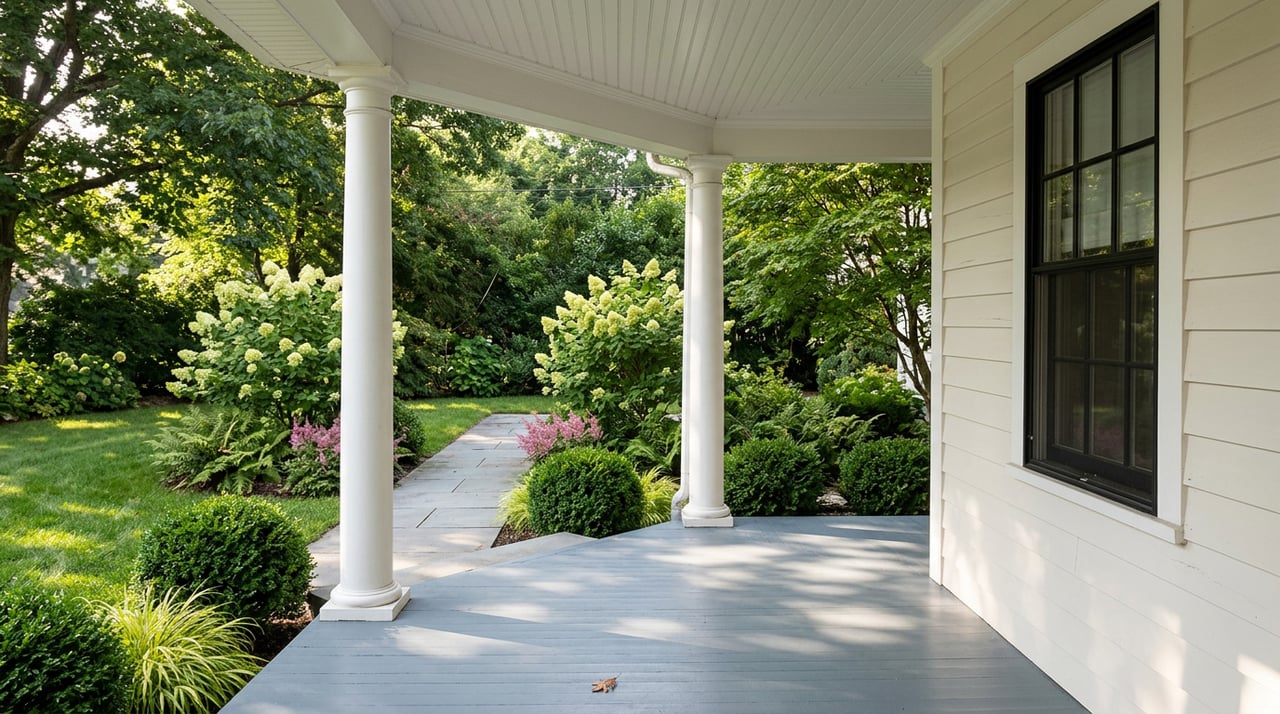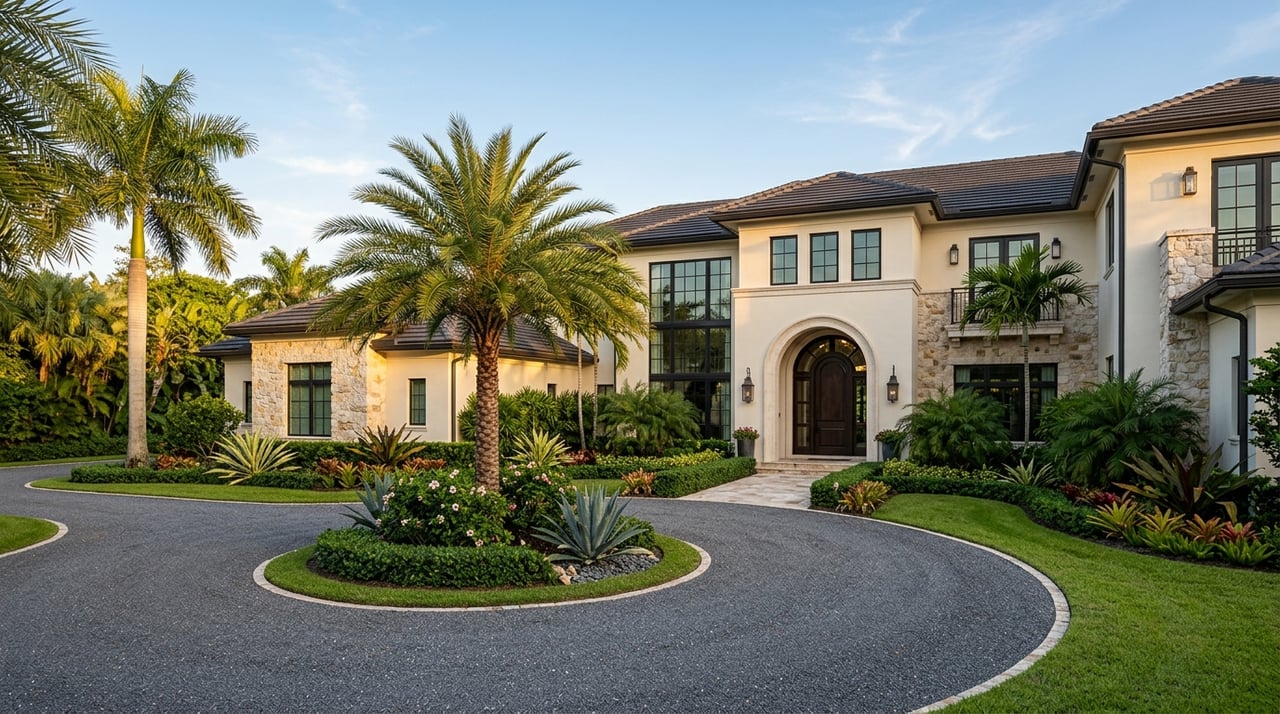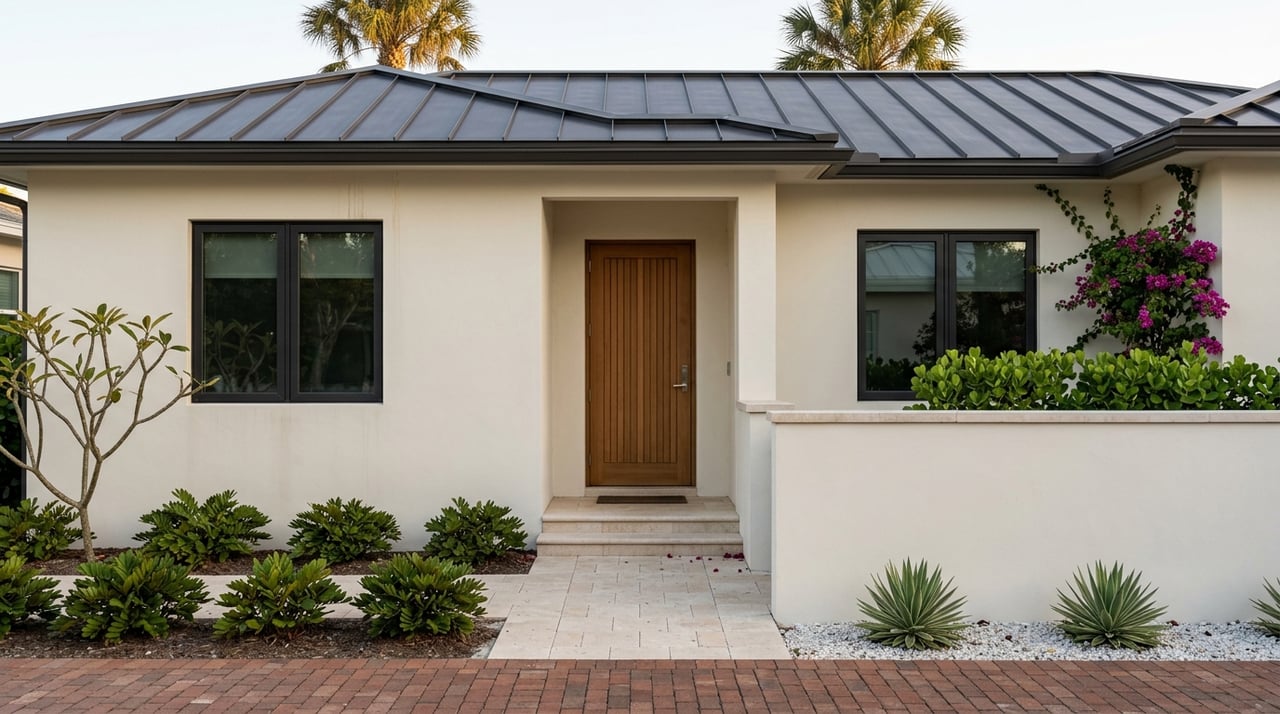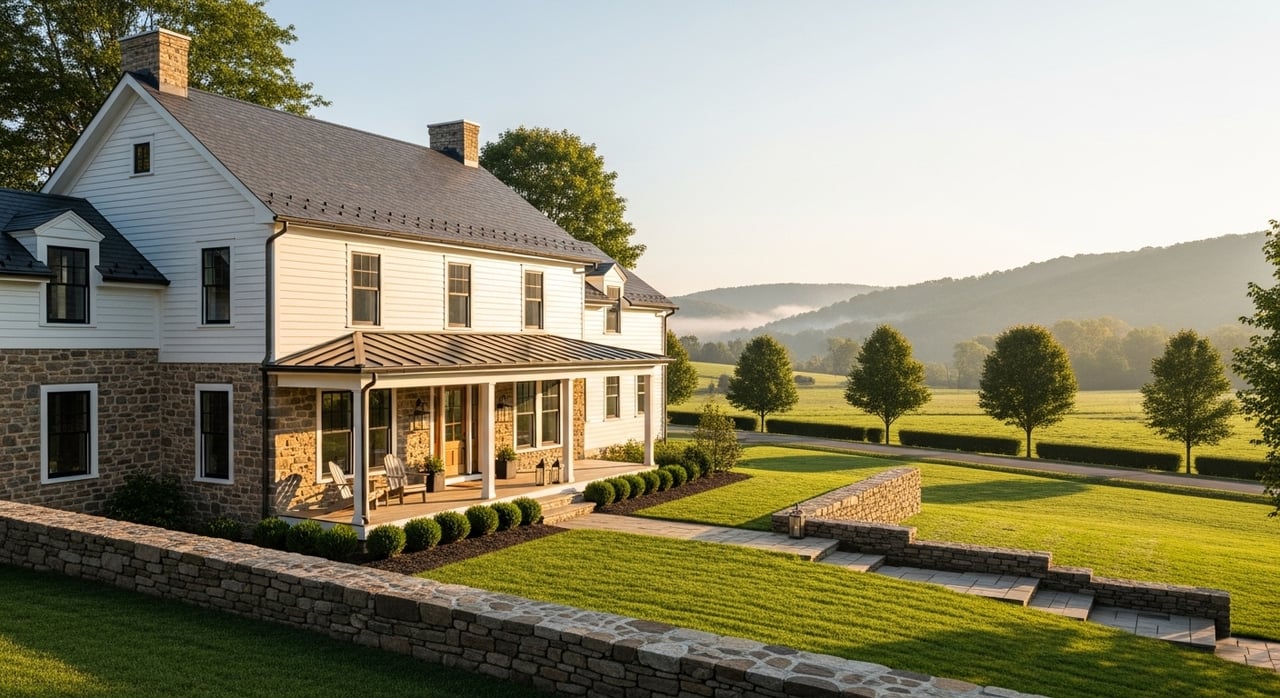
If you are stretching your down payment dollars around Greensburg, a USDA loan can put a home within reach with zero down. The key is knowing how the program works, whether a specific address qualifies, and what to expect from approval to closing.
Zero-down homebuying: what to know
Zero-down financing matters because it lowers your cash-to-close without adding months or years of saving. USDA loans are designed to expand homeownership in eligible areas and for households under certain income limits. If you are shopping in Westmoreland County’s small towns and suburbs, this option may fit your plan.
USDA loan basics explained
How USDA loans work
The Single-Family Housing Guaranteed Loan Program lets approved lenders offer 100 percent financing for eligible homes. USDA guarantees part of the risk, which helps lenders offer accessible terms to qualified buyers according to the USDA program overview.
USDA loan types
- Guaranteed (Section 502 Guaranteed): the most common path for buyers using private lenders with a USDA guarantee per USDA.
- Direct (Section 502 Direct): administered by USDA for very-low-income borrowers and follows different rules and subsidies see program page.
Who USDA suits
- First-time buyers who can afford a mortgage but lack a down payment.
- Budget-conscious buyers moving to or within eligible Greensburg-area communities.
- Households whose total income falls within USDA limits and who plan to occupy the home as a primary residence.
USDA eligibility checklist
Income limits and household size
USDA Guaranteed loans aim at low-to-moderate income households. Generally, total household income must be at or below about 115 percent of the area median income, and limits vary by county and household size. Use the official lookup for Westmoreland County when you apply per USDA guidance and the USDA single-family housing programs page for current tools and links here.
Location and area eligibility
The property must sit in a USDA-eligible area. Do not rely on ZIP codes. Run an address check on the USDA Property & Income Eligibility site to confirm if a specific home qualifies official tool.
Property and occupancy rules
- You must use the home as your primary residence.
- The property must meet USDA standards as verified by appraisal and underwriting.
- Typical single-family homes, some townhomes, and certain condos can qualify if they meet all requirements.
Credit and debt ratios
USDA does not publish a fixed minimum credit score. Many lenders prefer scores that support automated underwriting, often around 640, though lower scores can sometimes be approved with manual review. Debt-to-income limits are driven by USDA’s automated system and lender policies; many lenders look for a back-end ratio near 41 percent, with room for higher ratios when strong compensating factors are present lender practice summarized here.
How to get approved
Get preapproved with a lender
Start with a USDA-approved lender that regularly closes these loans. Preapproval will confirm income eligibility, review your credit, and outline documents you need. USDA lists resources for borrowers and lender contacts if you need a starting point see USDA resource page and the Pennsylvania contacts page for local assistance USDA Pennsylvania contacts.
Shop qualifying homes
Combine your wish list with the USDA map. Each time you find a home you like, run the address through the eligibility tool to confirm the location qualifies USDA eligibility site. Then confirm budget, condition, and commute.
Offer, appraisal, underwriting
Write your offer with your lender and agent aligned on timing. After acceptance, your lender orders an appraisal. The property must meet valuation and program standards. The lender underwrites your file, documenting income, assets, credit, and the property’s eligibility per the USDA program outline.
USDA final approval and closing
For Guaranteed loans, your lender requests a USDA conditional commitment. Once issued and underwriting conditions are cleared, you receive the final guarantee and close. Around the start of each federal fiscal year (Oct 1), USDA updates certain fees and may post funding notices, which can affect timing slightly USDA resource.
Costs, benefits, trade-offs
Zero down and rates
The big win is 100 percent financing on the purchase price if you qualify. That means you can keep your savings for reserves, improvements, or emergencies. USDA loans often offer competitive fixed rates through approved lenders.
Fees and mortgage insurance
USDA charges two program fees that support the guarantee:
- Upfront guarantee fee: 1.00 percent of the loan amount.
- Annual fee: 0.35 percent of the outstanding principal, paid monthly as part of your payment. These FY2026 fee levels apply to loans obligated on or after Oct 1, 2025 and are set by USDA; always confirm the current schedule before you lock a loan USDA FY fee notice.
Covering closing costs
“Zero down” does not mean zero closing costs. Good news: USDA allows several ways to cover them.
- Seller concessions up to 6 percent of the purchase price for eligible costs, subject to USDA’s rules USDA bulletin on contributions.
- Lender credits in exchange for rate choices.
- Gift funds from acceptable donors with proper documentation general guidance.
- In some cases, if the appraisal supports it, the upfront guarantee fee and certain costs can be financed into the loan. Your lender will advise what is allowable.
Pitfalls to avoid
- Assuming any “country-feel” home qualifies. Always run the exact address on the USDA site official tool.
- Guessing at income limits. Use USDA’s lookup and count all household income, not just borrowers’ programs overview.
- Ignoring lender overlays. Credit score, reserves, and DTI expectations vary by lender. Shop more than one USDA-approved lender USDA lender resources.
- Forgetting timelines. There is an extra USDA commitment step, and fee schedules update at fiscal year changes USDA timing overview.
Alternatives to consider
USDA vs VA, FHA, conventional
- VA: Zero down for eligible veterans and service members, no monthly mortgage insurance. If you have VA eligibility, compare both programs.
- FHA: 3.5 percent down with flexible credit standards, available in more locations but includes upfront and monthly mortgage insurance.
- Conventional: As low as 3 percent down for qualified buyers, broader property eligibility, but typically stricter credit and pricing at low down payments.
Down payment assistance options
State and local assistance can pair with FHA or conventional loans to reduce cash-to-close. Ask your lender which programs can be layered with your financing.
When USDA fits—or not
- Best fit: You want zero down, plan to live in the home, meet income limits, and your target area is USDA-eligible.
- Not ideal: You need a home inside a clearly ineligible area, plan to use the home as an investment, or your household income exceeds USDA limits.
Move forward with local guidance
A clear plan makes zero-down buying less stressful. Start with a quick income and credit check, run sample addresses through the USDA map, and line up a lender experienced with this program. If you want help targeting eligible neighborhoods and writing a strong, well-timed offer, reach out to Donna Tidwell, Berkshire Hathaway for one-on-one guidance, lender introductions, and a search strategy tailored to USDA rules and your lifestyle.
FAQs
How do I check if a Greensburg address is USDA-eligible?
- Enter the exact address on the USDA Property & Income Eligibility site. It is the official source for property eligibility decisions USDA eligibility tool.
What are the current USDA fees?
- As of FY2026, the upfront guarantee fee is 1.00 percent and the annual fee is 0.35 percent of the outstanding balance. Verify fees for your lock date USDA fee notice.
Do I need a certain credit score to qualify?
- USDA does not set a fixed minimum score. Many lenders prefer scores that allow automated approvals, often around 640, but policies vary by lender lender practice summary.
Can the seller pay my closing costs?
- Yes, seller concessions up to 6 percent of the purchase price are typically allowed for eligible costs under USDA rules USDA contribution guidance.
What is the difference between USDA Guaranteed and Direct loans?
- Guaranteed loans are issued by approved lenders with a USDA guarantee and are the most common zero-down option. Direct loans come straight from USDA and serve very-low-income borrowers with different rules Guaranteed overview and Direct overview.
Where can I find local help in Westmoreland County?
- Contact the USDA Pennsylvania office for local guidance and to understand Direct vs Guaranteed options USDA Pennsylvania contacts. Your real estate agent and lender can coordinate eligibility checks and timing.
What documents should I prepare for preapproval?
- Recent pay stubs and W-2s or tax returns, proof of other income, photo ID, two months of bank statements, and a list of monthly debts. Your lender will give you a tailored checklist and confirm USDA requirements USDA borrower resources.