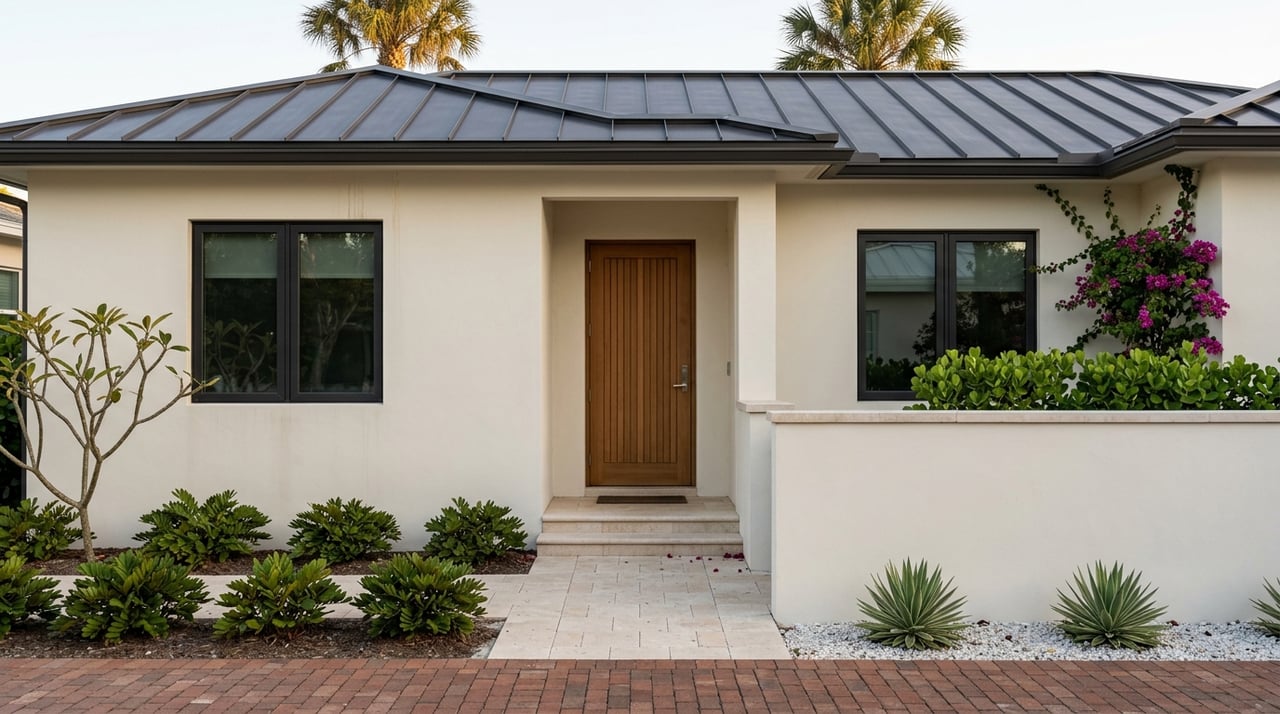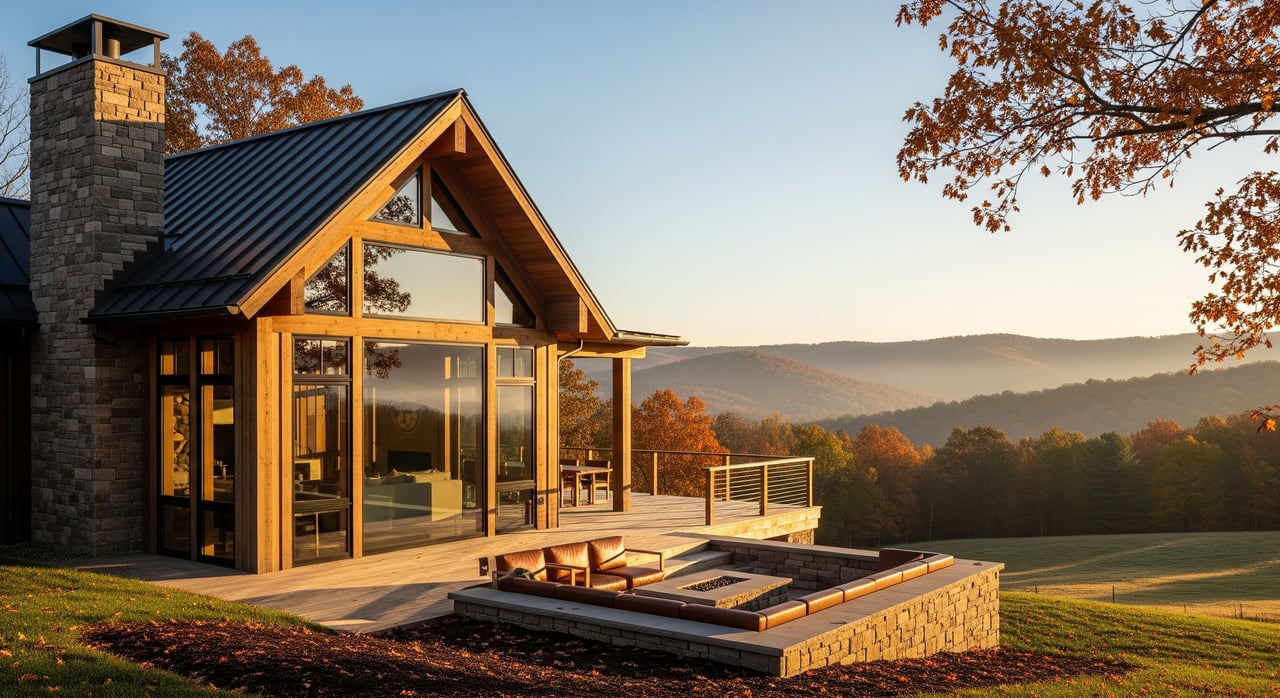
Trying to decide between a cozy cabin in the woods or a traditional house in town? In Ligonier and the Laurel Highlands, both options offer real charm, but they come with very different day-to-day realities. You want the right fit for your lifestyle, budget, and long-term goals, not just a pretty view.
In this guide, you’ll learn how climate, utilities, road access, winter needs, and rental rules shape ownership across 15658. You’ll also get a practical checklist to use before you make an offer. Let’s dive in.
Lifestyle tradeoffs in Ligonier
Cabin lifestyle in the Laurel Highlands
If you picture tall trees, stream sounds, and starry skies, a cabin can deliver that peace. Many Ligonier-area cabins sit on wooded lots, ridgelines, or in valleys near state parks and outdoor attractions. Weekend and seasonal demand can be high during festivals, ski season, or Idlewild’s busiest months, which may influence guest interest and traffic patterns.
Remote settings often mean private roads, wells, and septic systems. You trade convenience for privacy and a closer connection to nature. That can be deeply rewarding if you value solitude and scenery.
In-town home convenience
A single-family home in Ligonier Borough or nearby neighborhoods often means municipal water and sewer, shorter drives, and simpler maintenance. Streets are typically public and plowed on a standard schedule. If you prefer predictable services, easier access, and year-round comfort, an in-town home can be a strong match.
These homes also tend to appeal to a wider resale market. Commuters, retirees, and full-time residents often prioritize convenience and service reliability.
Maintenance differences
Cabins commonly feature wood construction and rustic finishes. You should plan for:
- Regular exterior care such as staining or painting wood siding.
- Routine checks for rot, insects, and moisture at decks and steps.
- Annual inspections and cleanings if a chimney or woodstove is in use.
- Higher heating loads if insulation is limited or windows are older.
Traditional homes more often include durable siding, modern insulation, and updated systems. Many have integrated drainage and newer HVAC, which can reduce upkeep and improve comfort. Maintenance still matters, but the to-do list may be shorter and more predictable.
Utilities and connectivity
Water and wastewater shape your routine and your budget. In rural parts of 15658, cabins often rely on private wells and septic systems. Wells need periodic testing for bacteria and minerals. Septic systems require pumping and documented maintenance, and replacement timelines depend on soil and site conditions.
Homes in the borough or village settings are more likely to connect to municipal water and sewer. That can reduce permitting steps, testing tasks, and long-term uncertainty.
Heating varies by property. Remote cabins may use propane, oil, electric baseboard, or wood stoves. If you plan seasonal use, think about fuel delivery, tank access, and storage. In-town homes more often use natural gas or modern electric systems with common service providers.
Electric reliability can differ across the Laurel Highlands, especially in tree-lined areas. Many rural owners add a backup generator with a transfer switch for peace of mind. Internet and cellular service are parcel-specific. Some rural addresses lack wired broadband, so you may need fixed wireless, LTE/5G, or satellite. Always confirm providers and speeds for the exact address before you commit.
Road access and winter
The Laurel Highlands sees colder winters and more frequent snow than nearby lowlands. Access and driveway design matter.
- Road ownership: Find out whether access is on a public township or county road, or a private road or easement. Private roads usually mean owners or a road association handle grading and snow removal.
- Plowing and emergency access: Ask who plows, how costs are shared, and typical response times. Steep or long driveways may need frequent attention in ice or heavy snow.
- Vehicles and parking: All-wheel drive or 4WD can be helpful. Plan room for turnaround and plow trucks, and confirm where guests will park.
A cabin half a mile down a private lane can feel magical in fall, but the same drive may be challenging in February. Verify last-mile conditions in winter, if possible.
Seasonal use and care
If you plan to use a cabin seasonally, winterization protects your investment. Typical steps include draining and winterizing plumbing when vacant, maintaining low or backup heat, and securing gutters and roofs for snow loads. Ice dams and freeze damage are preventable with good planning.
Insurers may have requirements for vacant or seasonal properties. Confirm what they need for winterization and monitoring. Remote cabins can also benefit from security systems, neighbor check-ins, or a local property manager to keep eyes on the property.
Forested parcels require ongoing tree work, especially after storms. Removing dead or leaning trees near structures reduces risk and can protect your insurance options.
Rental potential and rules
The Ligonier area attracts weekenders and vacationers, and cabins often perform well as short-term rentals. That said, short-term rental rules vary by municipality. You should confirm current requirements with Ligonier Borough or Ligonier Township and Westmoreland County before assuming rental income. Some areas require licensing, inspections, or taxes, and others restrict STRs in certain zones.
On-site capacity also matters. Septic system ratings, designated parking, bedroom egress, and local occupancy rules determine how many guests you can host. A traditional home in town may support a wider year-round rental market and easier logistics for utilities, cleaning, and guest access. Always verify zoning, permits, and any HOA covenants early in your research.
Costs beyond mortgage
Every property carries ongoing and periodic costs. Build a realistic budget that fits your plans.
Recurring costs:
- Property taxes and homeowner’s insurance
- Utilities: heating fuel, electric, water/sewer or well/septic service
- Internet and phone service
- Septic pumping and periodic well testing
- Road association dues or direct snow removal for private roads
Periodic or capital costs:
- Roof replacement and exterior painting or staining
- Septic repair or replacement, and driveway resurfacing or grading
- HVAC upgrades or replacements
- Tree removal and storm cleanup
- Deck, stair, and railing repairs
If you will be away for long stretches or plan to host guests, include vacancy, property management, and turnover expenses.
Resale in 15658
Buyer pools and timelines vary. Remote cabins often attract a more specific audience that values privacy and recreation, which can mean longer days on market at certain times of year. In-town homes tend to appeal to broader groups and can benefit from easier financing, inspections, and services.
Improvements that help resale include upgraded insulation, efficient heating, reliable internet options, a paved or well-drained driveway, and documented well and septic records. If you plan to host guests, ensure any sleeping spaces meet egress and local standards, and keep rental permits and inspections up to date.
Decision checklist
Use these questions before you make an offer:
- Access and roads
- Is access public or private? Are there written road maintenance and snow removal agreements, and what are the costs?
- Water and septic
- Is the property on municipal services? If private, request a septic inspection, pumping history, permits, and a recent well water quality test.
- Utilities and internet
- Which providers serve the exact address? Are there service limitations, fuel delivery challenges, or known outage patterns?
- Winter conditions
- How steep and long is the driveway? What is the typical winter accessibility and emergency response time in the area?
- Zoning and rentals
- What are the current zoning rules, STR requirements, and any HOA covenants for guest rentals or accessory structures?
- Records and costs
- Request 12 months of utility bills, insurance declarations, maintenance logs, surveys, and prior permits.
- Insurance and occupancy
- Can you get coverage for your intended use, including vacancy or STR? What winterization steps does your insurer require?
- Environmental factors
- Are there floodplain, wetlands, or steep slopes? Any easements or conservation restrictions affecting improvements?
Next steps in Ligonier
- Visit in daylight and, if possible, in winter to see access, sun exposure, and drainage. Walk the driveway, check slopes, and note plow turnaround space.
- Verify road status, zoning, and permit needs with the township or borough. Ask specifically about STR licensing or inspections.
- Request documented septic and well records, and schedule professional inspections if missing.
- Confirm internet and cellular coverage for the exact address. Test devices on-site and speak with providers about installation timelines.
- Get insurance quotes that match your intended use and occupancy pattern. Ask about generator requirements and winterization.
- Build a realistic operating budget that includes road care, utilities, seasonal maintenance, and reserves for capital work.
When you are ready to compare specific properties side by side, lean on a local expert who understands both rustic parcels and in-town neighborhoods. If you want a calm, informed process from search through closing, connect with Donna Tidwell, Berkshire Hathaway for tailored guidance in 15658 and the wider Laurel Highlands.
FAQs
What is the biggest difference between a cabin and a house in Ligonier?
- Cabins often trade municipal services for privacy, relying on wells, septic, and private roads, while in-town homes typically offer easier access, public utilities, and simpler maintenance.
How do winters in the Laurel Highlands affect ownership?
- Colder temperatures and frequent snowfall increase heating needs, make steep or unpaved driveways challenging, and create a stronger need for plowing and backup power plans.
What should I check first on a cabin’s utilities?
- Confirm well water test results, septic permits and pumping history, heating fuel type and delivery access, and actual internet options at the exact address.
Can I use a Ligonier cabin for short-term rentals?
- Possibly, but rules vary by municipality; verify zoning, licensing, inspections, and local tax requirements with the township or borough before assuming rental income.
How do private roads change my costs and responsibilities?
- Owners on private roads typically share grading and snow removal expenses and may need a formal maintenance agreement, plus adequate space for plow turnaround.
What improvements boost resale for a rural property?
- Upgraded insulation, modern heating, reliable internet alternatives, a well-drained or paved driveway, and complete well and septic documentation help marketability.