Trying to find a true starter home in Greensburg can feel like a maze. You want the right mix of price, location, and condition without giving up the daily conveniences that make life easier. This guide walks you through where to look in 15601, what tradeoffs to expect, and the practical steps that help you win the right home.
Let’s dive in.
Quick shortlist by priorities
- If you want walkability and a shorter list of daily errands, focus on Central Greensburg and the neighborhoods immediately around downtown.
- If you want a yard and a garage for a similar budget, check the edge of the borough and nearby Hempfield Township pockets.
- If you want potential rental appeal or campus proximity, look near Seton Hill University and school-cluster areas.
- If you need more inventory at a given price, consider small nearby boroughs and townships within a short drive of downtown.
Best areas to focus
Central Greensburg and downtown-adjacent
You will find compact blocks, sidewalks, and easy access to restaurants and civic services. Smaller lots and smaller-footprint homes often trade at entry levels that work for first-time buyers. You can walk to daily needs in many pockets.
Tradeoffs to note: some homes have older systems, and off-street parking can be limited on certain streets. If you value convenience over yard size, this area belongs on your shortlist.
Neighborhoods surrounding downtown
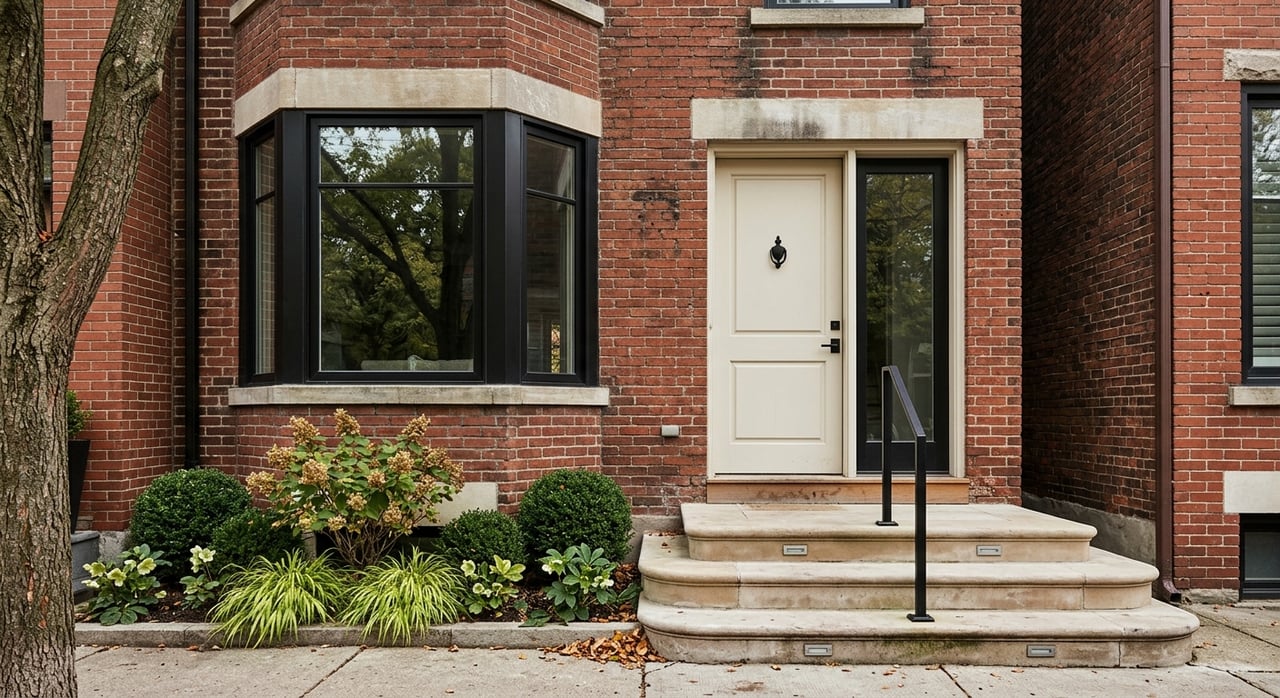
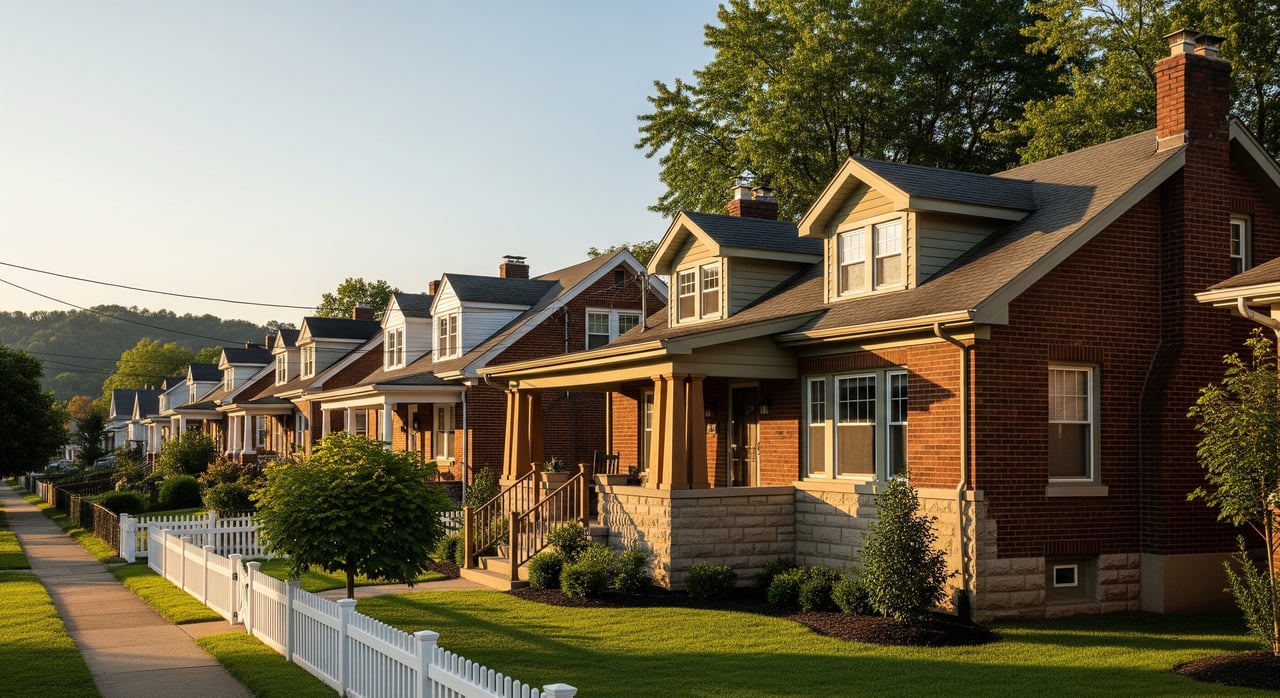
These streets feature early to mid 20th-century single-family homes such as bungalows, modest Victorians, and simple two-story colonials. Lots are manageable, and you keep a neighborhood feel while staying close to downtown and local employers.
Expect floor plans to vary and some homes to need updates. If you want a traditional house form with character at an approachable price, start here.
Near Seton Hill University and school clusters
Homes close to campus and schools see steady housing turnover, which can increase inventory for entry-level buyers. You may also value easy access to campus amenities.
Be aware of potential higher turnover and parking or noise near campus. Ask about local restrictions that could affect future rental use if that is part of your plan.
Edge of the borough and Hempfield Township
As you move outward, you will see more ranch and split-level homes and later 20th-century construction. Yards and garages are more common, and you can often trade a slightly longer drive for more space.
Walkability is lower, so plan on driving for most errands. This is a strong option if a yard, garage, and a simpler floor plan matter more than being close to downtown.
Nearby small boroughs and townships
A short drive opens more choices across different jurisdictions. You may see a mix of older borough homes and suburban subdivisions. Each municipality sets its own tax rates and services.
Consider commute time, municipal services, and school-district differences when you compare. This can be a smart way to stretch your budget while staying near Greensburg.
What homes look like here
Size and layout
Typical starter options range from about 900 to 1,600 square feet. That includes small detached homes, 1 to 2 bedroom cottages, compact 2 to 3 bedroom two-story houses, and modest ranches in suburban pockets. Lot sizes vary from small in-town yards to quarter-acre or larger in nearby townships.
Styles and age
You will see early 20th-century bungalows, foursquares, modest Victorians, and brick two-story homes. In newer areas you will find ranches, split-levels, and 1970s to 1990s tract houses. These give you simple layouts and often an attached garage.
Condition and common updates
Many affordable homes in 15601 are older and can need updates. Common items include kitchens, bathrooms, windows, insulation, and heating systems. You should also plan for due diligence on major components like the roof, electrical, plumbing, and any basement moisture.
A professional inspection is essential. Some homes are great cosmetic-update candidates where you can improve value without major structural work.
Commute and daily access
Driving and key roads
Greensburg sits at a regional crossroads. Proximity to US-30 and state routes helps with commuting around Westmoreland County and beyond. Always test your real drive times to work and frequent destinations during peak hours with a live maps tool.
Public transit and rail
Local bus service and intercity options serve Greensburg. Routes and schedules can change, so verify the latest details on the regional transit provider’s site before you plan your commute.
Walkability and parking
Downtown and immediate neighborhoods offer the most walkable options with retail and restaurants nearby. Suburban and township areas are less walkable and will rely on a car. In-town homes may have limited off-street parking or detached garages, while suburban homes more often have driveways and attached garages.
Schools, taxes, and amenities
School districts
Greensburg is served primarily by the Greensburg-Salem School District. Some nearby townships fall under different districts. Boundaries can shift, so confirm the district for any specific address and review current state and district profiles for programs and performance.
Taxes and utilities
Property tax rates vary by municipality and school district. Westmoreland County handles assessments that municipalities use to calculate tax bills. Utility providers for electric, gas, water, sewer, and trash can differ by jurisdiction. Confirm your expected monthly costs before you make an offer.
Parks, healthcare, and shopping
Greensburg offers parks, trails, medical facilities, grocery stores, restaurants, and county services. If you are a first-time buyer, map your weekly routine. Check distances to your favorite stores, clinics, and recreation spots to make sure the location fits your lifestyle.
Key tradeoffs to weigh
- Yard size vs walkability: in-town options favor sidewalks and shorter errands, while edge-of-borough and adjacent suburbs deliver larger lots and garages.
- Move-in ready vs renovation potential: a lower purchase price may come with projects. Budget for inspections, immediate repairs, and long-term improvements.
- Schools vs commute time: different districts can affect both inventory and price. A suburban district may mean more driving and different ownership costs.
- Monthly costs beyond the mortgage: include taxes, insurance, utilities, and maintenance when you compare homes.
Price signals to watch
As of February 2026, use current market data to set realistic expectations. Avoid relying on older snapshots. Here is how to track price and value without guessing:
- Review active, pending, and recent sold listings by neighborhood through an MLS search. This shows where lower-priced homes are clustering and how fast they move.
- Expect smaller in-town properties to post the most approachable asking prices, with larger-lot ranches often found around the borough edge and nearby townships.
- Compare tax impacts across municipalities. A slightly higher price with lower taxes can produce a similar monthly payment.
- Confirm condition. Two homes at the same price can differ widely in updates and near-term repair costs.
Smart search steps
- Get pre-approved: this clarifies your budget and strengthens your offer in competitive pockets.
- Set MLS filters: max price, minimum bedrooms, property age, lot size, distance to downtown, and keywords like “move-in ready” or “needs TLC.”
- Drive target areas: visit on a weekday morning, evening, and weekend to gauge traffic, parking, and neighborhood rhythm.
- Verify schools and taxes: confirm the school district for the address and check local tax rates and assessment methods.
- Plan inspections: include inspection contingencies and request recent inspection reports when available.
- Build a 4 to 6 area shortlist: for example, “downtown-adjacent,” “near campus,” “borough edge,” and “nearby township.” Keep your top three must-haves visible as you compare.
Your next step
If you want a home that fits your budget and your routine, local guidance matters. From near-campus pockets to quiet township streets, you can zero in on the right block faster with a clear plan and current data. When you are ready to tour with purpose, compare tax impacts, and negotiate repairs with confidence, connect with a trusted local expert.
Reach out to Donna Tidwell, Berkshire Hathaway for calm, proven guidance from search to close.
FAQs
What should a first-time buyer prioritize in Greensburg 15601?
- Start with location fit and monthly cost, then compare condition and likely repairs across your top areas before you refine features like finishes.
How does downtown Greensburg compare to suburbs for value?
- Downtown and adjacent pockets often deliver lower entry prices and walkability, while suburban edges can trade a slightly higher price for more yard and garage space.
What renovation costs are common in older Greensburg homes?
- Plan for kitchen and bath updates, window and insulation improvements, and due diligence on roof, electrical, plumbing, and potential basement moisture.
How can I estimate my total monthly home cost in 15601?
- Add principal and interest to property taxes, insurance, utilities, and routine maintenance. Compare these totals across municipalities, not just list prices.
How do school districts affect a first home search near Greensburg?
- District boundaries do not always match municipal lines. Confirm the assigned district for each address and review current program information before offering.
What is the best way to check current prices in Greensburg?
- Use an MLS search for active, pending, and sold data as of now, then drive target streets to ground your expectations in real inventory and condition.