Thinking about selling your Shadyside home and wondering what it’s really worth today? You’re not alone. Pricing is one of the biggest decisions you’ll make, and it sets the tone for how quickly you sell and what you net at closing. In this guide, you’ll learn what a Comparative Market Analysis is, how it’s built, and how it helps you choose a smart list price and timing in Shadyside. Let’s dive in.
What a CMA is
A Comparative Market Analysis, or CMA, is an agent-prepared estimate of your home’s likely market value. It uses recent sold, active, pending, and even expired listings for similar properties nearby. You use it to set a list price or price range that attracts buyers and reflects current market conditions.
A CMA is a practical, market-facing tool. It supports your pricing and negotiation strategy, helps you understand likely days on market, and gives you a clear idea of expected net proceeds.
How a CMA is built
A strong CMA follows a consistent process and pulls data from the MLS and public records, backed by on-the-ground knowledge of Shadyside.
Define your home’s profile
Your agent starts by documenting the details that drive value:
- Property type: single-family, rowhouse, townhouse, or condo
- Finished square footage
- Bedrooms and bathrooms
- Lot size and usable outdoor space
- Age, construction type, and any historic considerations
- Condition and updates to kitchens, baths, systems, and roofs
- Basement finish and legality, parking or garage, off-street options
- Unique features like porches, decks, or renovations
Pick the right comparables
The agent selects comps that match your home in type and location as closely as possible:
- Sold comps from the last 3 to 12 months, with shorter windows in fast-moving conditions
- Pending and active listings to show current competition and direction
- Expired or withdrawn listings to reveal price levels buyers rejected
- Nearby properties within the same neighborhood or within about 0.5 mile when possible
- Type-matching for Shadyside’s mix of rowhouses, detached homes, and condos
Adjustments that matter
No two homes are identical. Your agent applies adjustments for meaningful differences:
- Size, bedroom and bath count
- Condition, recent renovations, and system updates
- Finished basements versus below-grade storage
- Parking and garage spaces
- Lot size, outdoor areas, and views
Agents often cross-check value using price per finished square foot and recent sold data. Any adjustment should include a clear rationale so you can see how each comp relates to your home.
Market context and timing
A CMA also shows how the market is behaving so you can set expectations:
- Days on market for both sold and active listings
- Sale-to-list price patterns for recent sales
- Inventory or months of supply to see whether sellers or buyers have the edge
- Seasonal shifts. In Pittsburgh, activity often slows in winter and picks up in spring and summer.
What you receive
A complete CMA package should include:
- A summary with a recommended list price or price range
- A comp table with prices, dates, size, bed/bath, parking, condition, and adjustments
- A map showing your home and all comps
- Photos that help you compare finishes and layouts
- A seller net sheet estimating closing costs, commissions, and mortgage payoff
- A suggested marketing timeline and pricing strategy
CMA vs. appraisal
A CMA and an appraisal both analyze value, but they are not the same.
- Purpose: A CMA helps you set a list price and strategy. An appraisal is a formal opinion of value for a lender or legal need.
- Process: Agents build CMAs using MLS data and market know-how. Appraisers follow standardized methods and may inspect the interior.
- Weight: Lenders rely on appraisals for underwriting. A CMA is advisory and not accepted in place of an appraisal.
- Cost and timing: Agents usually provide CMAs at no cost before you list. Appraisals are paid services and can take longer depending on demand.
You’ll use a CMA to enter the market with confidence. Your buyer’s lender will order an appraisal later if the buyer is financing the purchase.
Shadyside factors that shape value
Shadyside’s housing stock and micro-locations can shift value in meaningful ways. Your CMA should account for these local details.
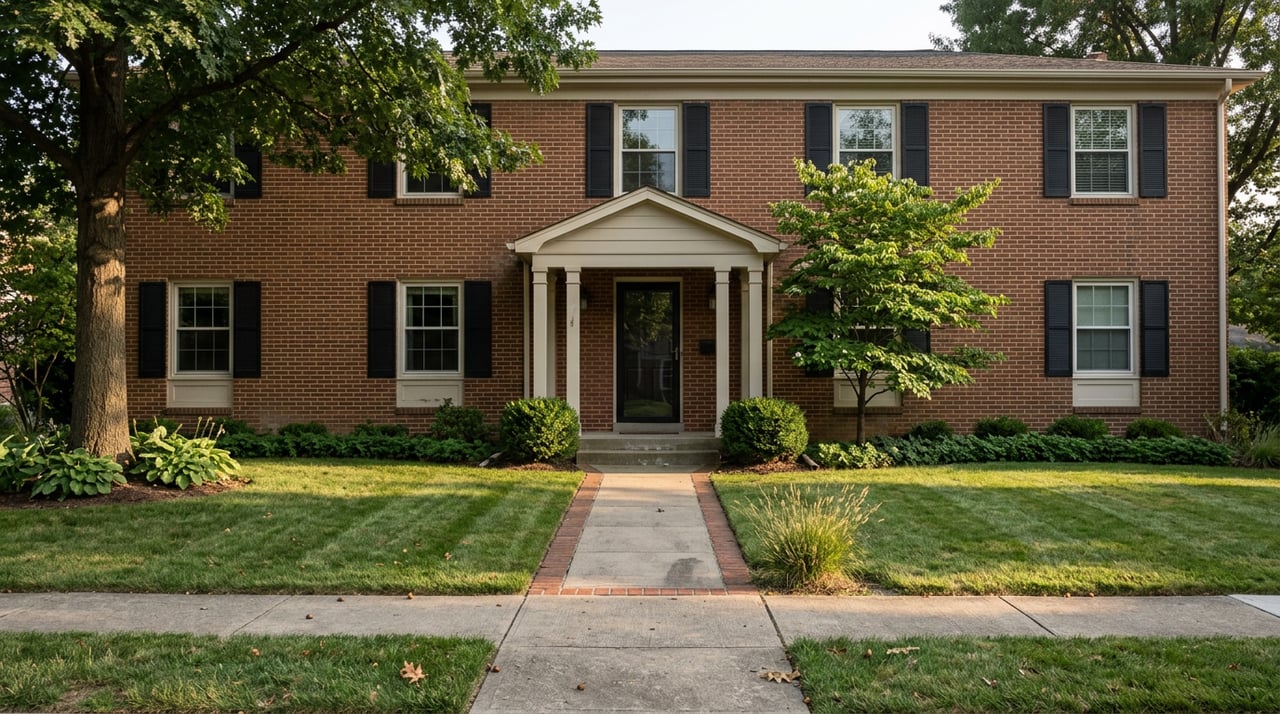
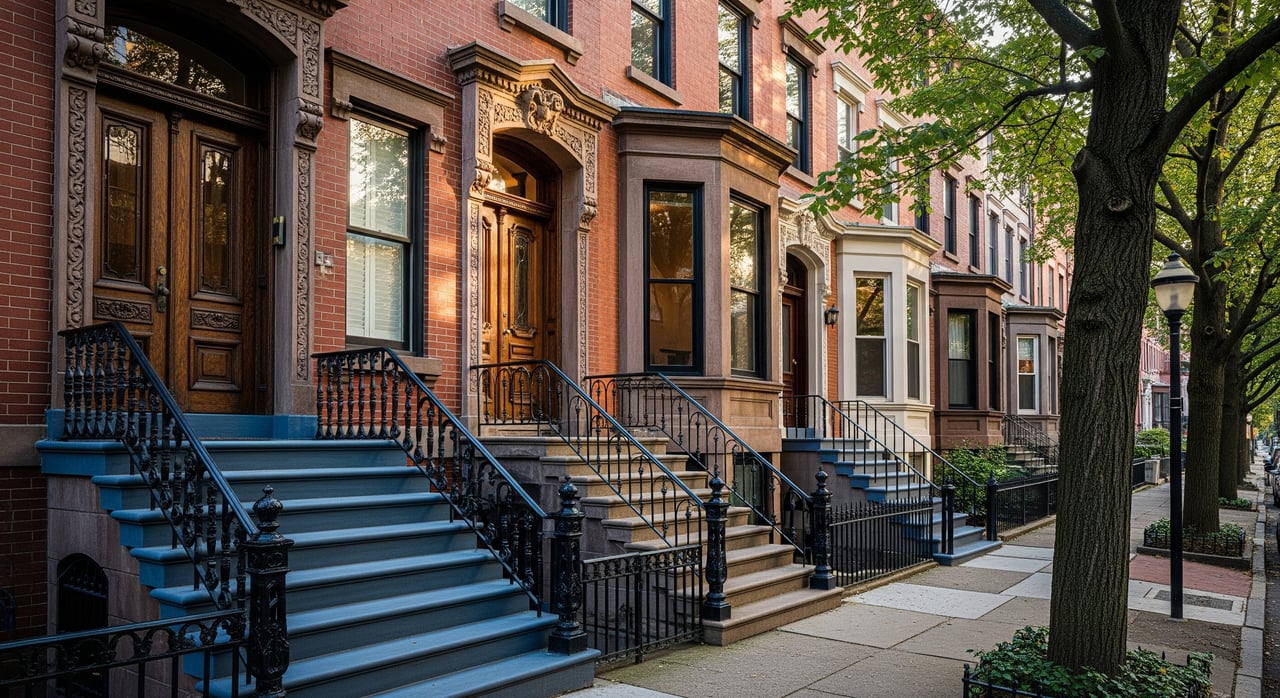
- Property mix: The neighborhood blends Victorian and older rowhouses, brick townhouses, smaller detached homes, and a range of condominiums. Type-match comps carefully.
- Micro-locations: Homes near Walnut Street and Ellsworth Avenue offer strong walkability. Quieter residential blocks, park adjacency, and green space can also influence value.
- Parking and transit: Off-street parking or a garage is a notable premium in this walkable area. On-street permit needs and transit options affect buyer demand.
- Buyer mix: Expect interest from a broad range of owner-occupiers, young professionals, and investors. That mix can influence terms, contingencies, and financing.
- Historic and preservation: If your property sits in a historic district or faces preservation guidelines, that can affect both appeal and renovation costs.
How a CMA guides pricing
A good CMA does more than produce a number. It outlines strategies with tradeoffs:
- Aggressive pricing: Positions your home slightly above the market with the expectation of longer days on market and more negotiation.
- Market pricing: Targets the strongest comparables to drive steady showings and a fair sale-to-list outcome.
- Competition pricing: Prices just under market to spark higher traffic and potential multiple offers.
Your likely days on market and final sale-to-list result depend on which strategy you choose and how the current inventory looks.
Timing your Shadyside sale
Seasonal patterns matter. Pittsburgh typically sees slower activity in late fall and winter, and increased showings in spring and summer. If you want maximum foot traffic, spring can help. That said, a well-prepared, well-priced home can sell in any season. If conditions change while you prepare to list, ask your agent to update the CMA so your pricing stays current.
Improvements and ROI
A CMA can help you decide which updates make sense before you list. Use recent sold comps to gauge whether a light kitchen refresh, paint, flooring, or fixture updates could deliver a solid return. In Shadyside, features like a finished basement, refreshed baths, or improved curb appeal can be meaningful, but results depend on what similar homes recently sold for. Ask for a clear, itemized plan so you invest wisely.
When to refresh your CMA
Update your CMA if:
- Mortgage rates swing or buyer activity shifts
- New, close-match comps hit the market or go under contract
- You complete significant improvements
- Your listing sits longer than expected and the competitive set changes
Keeping your CMA current helps you adjust early, protect your momentum, and maximize your net.
Simple CMA checklist for sellers
- Confirm your property details: size, bed/bath, parking, basement finish
- Share your updates list and dates for big improvements
- Review 3 to 6 sold comps, plus key active and pending listings
- Ask for adjustment explanations in plain language
- Review a seller net sheet with fees and estimated payoff
- Choose a pricing strategy and set review checkpoints after launch
Ready to price with confidence?
If you’re considering a Shadyside sale, a clear CMA is your best first step. You’ll see where your home sits in today’s market, how to position your list price, and what to expect on timing and net proceeds. When you are ready, connect for a no-pressure conversation and a customized CMA.
Reach out to Donna Tidwell, Berkshire Hathaway to Request Your Free Home Valuation. You’ll get a practical plan for pricing, staging, timing, and marketing tailored to your home.
FAQs
What is a CMA for a Shadyside home?
- A Comparative Market Analysis estimates your home’s likely market value using recent sold, active, pending, and expired listings for similar nearby properties.
How is a CMA different from an appraisal?
- A CMA guides your list price and strategy, while an appraisal is a lender-ordered, formal opinion of value used for underwriting or legal needs.
How much does a CMA cost and how long does it take?
- Listing agents typically provide CMAs at no cost during the pre-listing process, and the turnaround depends on how quickly local comps can be verified.
What if the appraisal comes in below the contract price?
- The parties may renegotiate price, adjust the buyer’s down payment, or cancel the deal depending on the contract and financing.
When should I update my CMA before listing?
- Refresh it if rates change, close-matching comps list or sell, you complete major updates, or your days on market exceed expectations.
What information do you need from me to prepare a CMA?
- Accurate home details, a list of updates with dates, access for a brief walkthrough if needed, and your ideal timing and goals for sale.