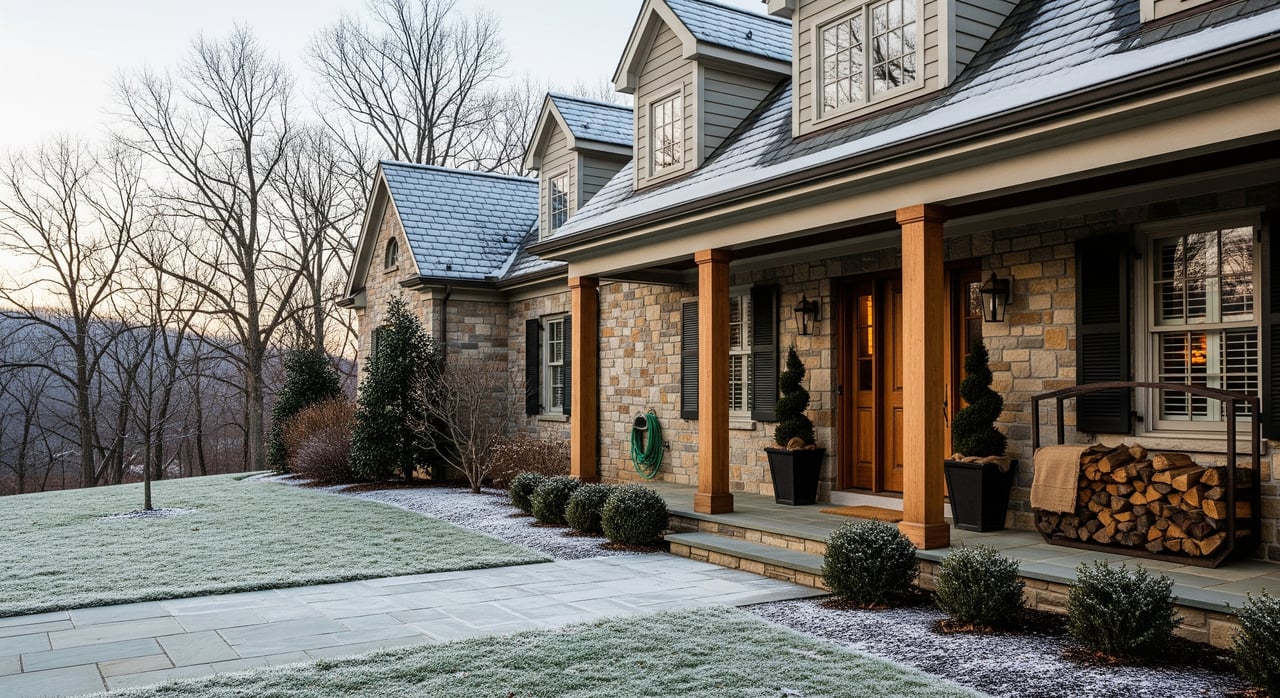
Cold snaps do not wait for your to‑do list. If you live in Greensburg, the first freeze often arrives in early to mid October, which can catch roofs, pipes, and yards unprepared. You want a simple, local plan that protects your home and your budget. This guide gives you a practical timeline, must‑do tasks, and trusted resources so you can winterize with confidence. Let’s dive in.
Know Greensburg’s freeze timing
Greensburg typically sees its first frost in early to mid October, so try to finish exterior tasks by late September or early October. You can double‑check timing using the local frost date lookup from The Old Farmer’s Almanac for Greensburg. Winters bring average lows near 20°F in January and snow that adds up to several feet across the season, which increases risks for frozen pipes, ice dams, and power outages. For landscaping choices, Greensburg generally sits in USDA hardiness zone 6b, helpful for plant selection and timing, per PlantMaps climate data.
Prep roof and gutters
A healthy roof and clean gutters are your first defense against leaks and ice.
Stop ice dams before they start
Ice dams often form when warm attic air melts roof snow that refreezes at the eaves. Clear gutters and downspouts so meltwater can drain, and confirm attic insulation and ventilation are balanced. For background on causes and prevention, review the National Weather Service guidance on ice dams.
Inspect shingles and flashing
Look for missing shingles, cracked seals, and loose flashing around chimneys and vents. Address small issues now to avoid winter leaks. If you’ve had repeat ice‑dam problems, ask a roofing pro about insulation, ventilation, or targeted upgrades.
Tidy yard and trees
Trim dead or overhanging branches that could fall under snow or ice. If limbs are near power lines, coordinate with the utility. West Penn Power’s vegetation work helps reduce storm outages, as described in FirstEnergy’s tree trimming update.
Shut off outdoor water
Disconnect hoses, drain in‑line valves, and shut off and drain exterior spigots. If you have in‑ground irrigation, winterize before sustained freezing. Many homeowners hire a pro for a compressor blow‑out; see this how‑to on winterizing sprinkler systems for methods and timing.
Make entries and walkways safe
Repair loose pavers and uneven steps to reduce slip risk. Stock ice melt, a snow shovel, and a roof rake if needed. Greensburg requires you to clear adjacent sidewalks within 24 hours after snowfall, per the city’s snow and ice removal page.
Protect pipes and heating
Cold weather can expose weak spots in plumbing and HVAC. A little prep goes a long way.
Prevent frozen and burst pipes
Insulate exposed pipes in basements, crawlspaces, and garages. During extreme cold, open cabinet doors under sinks on exterior walls and allow a slow drip from faucets that serve vulnerable lines. For more prevention and safe thawing tips, follow the American Red Cross guidance on frozen pipes.
Service your furnace early
Schedule a professional tune‑up in early fall so your system is ready for heavy use. The U.S. Department of Energy recommends routine maintenance and filter changes as part of winter energy savings; see Energy Saver’s fall and winter tips. A standard furnace inspection typically runs about $70 to $200, according to HomeGuide’s cost overview.
Check chimneys and fireplaces
If you burn wood or have a masonry chimney, book an annual inspection and cleaning before the season. The Chimney Safety Institute of America explains recommended inspection levels and frequency in its CSIA FAQ. Typical sweep costs range around $120 to $380 depending on level and region, per HomeAdvisor’s cost guide.
Test smoke and CO alarms
Place carbon monoxide and smoke alarms on every level and near sleeping areas, and test them regularly. For placement and device standards, review the EPA’s carbon monoxide detector guidance.
Plan for power and safety
Winter storms can bring outages. A simple plan keeps your household safe and comfortable.
- Build an emergency kit with flashlights, batteries, nonperishable food, and backup phone power. For a full checklist, see Ready.gov’s winter weather guidance.
- If you use a portable generator, always run it outdoors and far from doors and windows to avoid carbon monoxide hazards. Follow manufacturer instructions for fueling and maintenance.
- Know how to report outages and receive alerts. West Penn Power customers can find contacts through the city’s power outage reporting page.
Follow Greensburg snow rules
Greensburg requires property owners or occupants to clear snow and ice from sidewalks next to their property within 24 hours after snowfall or ice formation. Do not push snow back into the street. During declared snow emergencies, parking and travel rules may change along designated routes; review the city’s snow and ice removal details before the season.
Get help with costs and utilities
If you need help managing winter energy costs, Pennsylvania’s Weatherization Assistance Program and LIHEAP heating assistance support eligible households. Unsure who provides your natural gas or other utilities? Use this local overview to confirm providers and contacts on Discover Westmoreland’s utilities page. For water or sewer questions, including frozen meters, check the city’s contacts directory for local authorities.
Your seasonal timeline
Get ahead of the first freeze with a simple schedule geared to Greensburg’s early to mid October frost window.
6–8 weeks before first freeze
- Book your HVAC tune‑up and replace filters, per Energy Saver guidance.
- Inspect attic insulation and ventilation; address air leaks.
- Schedule chimney inspection and cleaning using CSIA recommendations.
- Clean gutters and downspouts to prevent ice dams; review NWS ice dam tips.
- Plan irrigation winterization well ahead of freezing; see sprinkler how‑to.
2–3 weeks before first freeze
- Disconnect hoses and shut off exterior spigots.
- Winterize in‑ground sprinklers or schedule a pro service.
- Service snow equipment and buy ice melt.
- Trim risky branches and coordinate with utilities as needed, referencing FirstEnergy’s trimming update.
Right before a cold snap
- Let faucets drip on vulnerable lines and open sink cabinets along exterior walls, per the Red Cross frozen pipe guidance.
- Test smoke and CO alarms and refresh emergency supplies using Ready.gov’s list.
- Verify utility outage and emergency contacts via the city’s reporting page.
Quick winterization checklist
- Clear gutters and inspect roof and flashing.
- Trim hazardous branches; check for lines nearby.
- Disconnect hoses; shut off and drain exterior spigots.
- Winterize irrigation; store outdoor furniture and tools.
- Insulate exposed pipes; prepare for faucet drips during deep freezes.
- Schedule HVAC tune‑up; replace filters.
- Inspect and clean chimneys if used.
- Test smoke and CO alarms on every level.
- Stock ice melt, shovels, and a basic emergency kit.
- Review Greensburg sidewalk rules and snow emergency routes.
Getting your home winter‑ready protects comfort, safety, and resale value. If you are planning a move this season or want guidance on pre‑list prep, you deserve a local pro who has seen every Western PA winter and knows where small investments matter most. For calm, expert advice tailored to your home, reach out to Donna Tidwell, Berkshire Hathaway.
FAQs
When should I winterize a Greensburg sprinkler system?
- Complete winterization before the first hard freeze, ideally a few days to a week ahead of sustained freezing; if you are unsure, hire a pro for a safe blow‑out, as outlined in this sprinkler winterizing guide.
Do I need to let faucets drip during Greensburg cold snaps?
- Yes, for lines that run through unheated spaces or exterior walls, a slow drip helps prevent freezing; also insulate exposed pipes and keep the heat on, following Red Cross frozen pipe guidance.
How often should a chimney be inspected before winter?
- Have chimneys and wood‑burning appliances inspected annually and cleaned as needed based on use, per the CSIA’s inspection guidance.
Who is responsible for clearing sidewalks after snow in Greensburg?
- Property owners or occupants must clear adjacent sidewalks within 24 hours after snowfall or ice formation, according to the city’s snow and ice removal rules.
Where can I get help paying winter heating bills in Westmoreland County?
- Eligible households can apply for Pennsylvania’s LIHEAP program and the state Weatherization Assistance Program for energy efficiency upgrades and bill support.
Who provides electricity in Greensburg and how do I report outages?
- West Penn Power is the primary distribution utility; to report outages or sign up for alerts, use the city’s power outage reporting resources.